Protecting Antique Furniture: Packing Techniques for UK Moves
Antique furniture is rarely "just furniture". A Georgian chest, a Victorian sideboard, or an old oak dining table often carries family history, craftsmanship, and value that goes far beyond the price tag. That is why protecting antique furniture: packing techniques for UK moves deserves a more careful approach than a standard house move. The wrong blanket wrap, a rushed lift through a narrow hallway, or one badly stacked box in the van can leave you with scratches, cracked joints, or a very expensive repair bill.
This guide explains how to prepare, wrap, cushion, label, load, and transport antique pieces safely in a UK move. You will also see where professional help makes sense, how to judge the right materials, and which mistakes matter most. If you are planning a house move, a long-distance relocation, or a local move in London or beyond, this article gives you the practical detail most people wish they had before moving day.
Expert summary: The safest antique move is planned early, padded generously, labelled clearly, and loaded with restraint. Think protection first, speed second.
Table of Contents
- Why protecting antique furniture matters
- How the packing process works
- Key benefits and practical advantages
- Who this is for and when it makes sense
- Step-by-step guidance
- Expert tips for better results
- Common mistakes to avoid
- Tools, resources and recommendations
- Law, compliance, standards and best practice
- Options, methods and comparison table
- Case study or real-world example
- Practical checklist
- Conclusion
- Frequently asked questions
Why Protecting Antique Furniture: Packing Techniques for UK Moves Matters
Antique furniture is vulnerable in ways modern flat-pack pieces are not. Older timber can be drier and more brittle. Veneer can lift. Joints may loosen with vibration. Decorative carvings, brass handles, glass panels, and original finishes can all be damaged by friction, moisture, or sudden movement. Even if a piece looks sturdy, age often hides weak points.
UK moves add their own challenges. Terraced homes, basement flats, narrow staircases, parking limits, wet weather, and tight van access all increase handling risk. A chest of drawers that would be fine on a straight lift can become awkward when it has to turn sharply at a landing or wait outside in drizzle while space is cleared. That is where packing method becomes more than a convenience; it becomes protection.
It is also worth remembering that antique value is not only financial. Many people are moving inherited items, wedding gifts, or statement pieces that cannot be replaced. So the aim is not simply to stop visible damage. It is to preserve the piece's structure, finish, and provenance.
If you are arranging a broader domestic move, services such as house removals, home moves, or house movers can help keep the whole process organised, while specialist packing support from packing and unpacking services is especially useful when antiques need extra attention.
How Protecting Antique Furniture: Packing Techniques for UK Moves Works
The process starts with assessment. Before you touch any wrapping material, inspect each item for loose joints, pre-existing chips, missing screws, weak veneer, cracked glass, and previous repairs. Knowing what is already fragile helps you pack in a way that supports vulnerable areas instead of stressing them.
From there, the process usually follows four stages:
- Preparation: Clean, empty, photograph, and, where possible, dismantle the piece safely.
- Padding: Protect surfaces with soft, clean layers that will not abrade the finish.
- Containment: Build a stable outer package using blankets, corrugated board, or purpose-made crates if needed.
- Transport: Load so the item cannot move, tip, or rub against other furniture during the journey.
The key principle is that packing is not about making the item "tougher". It is about creating a buffer between the antique and every likely hazard: dust, moisture, pressure, vibration, and impact. A good package should let the piece travel without its delicate parts taking the shock.
In practical terms, this means no newspaper on polished finishes, no tape directly on wood, and no bare corners exposed. It also means taking a slower, more deliberate approach than you might with standard furniture. A little patience at the packing stage usually saves a lot of regret later.
Key Benefits and Practical Advantages
Good packing protects more than the obvious surfaces. It preserves value, reduces repair costs, and lowers the stress of moving day. For antique owners, that is a serious advantage.
- Reduced surface damage: Soft layers stop scratches, scuffs, and finish marks.
- Better protection for joints: Careful padding prevents racking and twisting during transport.
- Safer handling: Good wrapping gives movers something secure to hold without touching vulnerable areas.
- Less risk in loading: Properly padded items are easier to position and less likely to shift.
- Improved peace of mind: You know exactly how each item has been prepared, which helps during a busy move.
There is also a practical timing benefit. A well-packed antique is usually quicker to unload and place in the new property because the move team can see immediately what it is and how it should be handled. That sounds minor, but on a day full of stairs, keys, and last-minute decisions, clarity matters.
For larger moves where multiple rooms and mixed furniture types are involved, it can be sensible to combine antique-specific packing with a general moving plan through removal services or removals. If you need a vehicle solution that is flexible for smaller loads, man and van removals or removal van options may fit the job better than a larger truck.
Who This Is For and When It Makes Sense
This approach is for anyone moving furniture with age, value, or sentiment attached. That includes private homeowners, landlords, interior collectors, antique dealers, and family members managing a relative's estate. It is also relevant for people who have bought a vintage item from an auction, shop, or private sale and need it delivered safely.
It makes particularly good sense when:
- the item has original finish, veneer, inlay, or hand-carved detail
- the piece is bulky but structurally delicate
- you are moving in wet weather or across a long distance
- the property has stairs, tight corners, or limited parking
- the item cannot be replaced easily if damaged
If you are moving a single valuable piece, a focused service such as furniture pick up may be more appropriate than a full move. If you need help finding a local team, removals near me is a useful starting point, while removal company and removal companies pages are worth reviewing when comparing providers.
In our experience, the people who benefit most are those who assume the move will be "fine" right up until the first awkward stair turn. That is usually the point where a careful packing plan pays for itself.
Step-by-Step Guidance
Below is a practical method you can follow for most antique wooden furniture, with notes for fragile finishes and awkward pieces.
1) Inspect and document the item
Take clear photos from several angles before packing. Capture existing marks, repairs, loose joints, and anything unusual such as warped doors or missing knobs. This helps you track the item's condition and spot any change after the move.
2) Clean gently
Remove dust using a soft, dry microfiber cloth. If the piece needs more than that, use only a cleaning method appropriate for the finish. Avoid soaking wood or using harsh products. Damp residue can be a hidden problem during transport.
3) Remove loose contents and detachable parts
Empty drawers, shelves, and cabinets. Remove shelves, keys, loose handles, mirrors, and legs where safe to do so. Pack these separately and label them clearly. Keep screws and fittings in a sealed bag taped to the relevant piece, not loose in a random box you will forget about later.
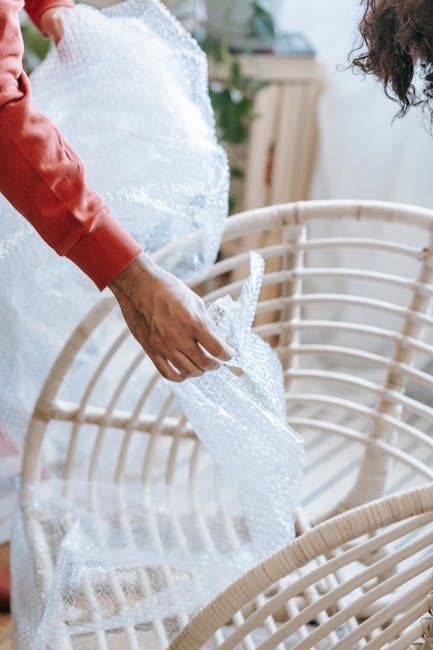
4) Protect delicate surfaces first
Wrap polished timber, veneer, or painted surfaces with acid-free tissue or clean packing paper, then add a soft layer such as cotton sheets, furniture blankets, or breathable padding. Do not apply tape directly to the finish. If you are dealing with gilding, delicate marquetry, or flaking paint, use extra caution and consider professional handling.
5) Cushion corners and edges
Corners take the brunt of knocks, especially in hallways and van loading. Use foam corner protectors, folded card, or shaped padding around exposed edges. A table leg or cabinet corner is often the first point of impact, so do not skimp here.
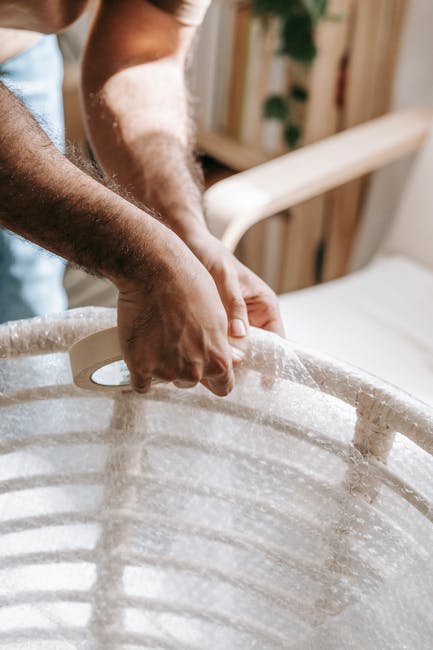
6) Secure the outer wrap
Once padded, secure the wrap with stretch film or tape only over the protective outer layer, never directly on the antique itself. Keep the wrap snug but not crushing. The goal is stability, not compression.
7) Build a transport-safe package
For very valuable or unusually fragile pieces, place the wrapped item inside a rigid protective shell, crate, or reinforced board pack. This is especially useful for carved chairs, delicate cabinets, mirrors, and glass-fronted items.
8) Label clearly
Use visible labels such as fragile, this side up, and do not stack. Labels are not magic, of course, but they do reduce the chance of a rushed loading decision.
9) Load with weight and movement in mind
Place the heaviest items low in the van and keep antiques away from heavy boxes that could shift. Use straps or load bars where available, and ensure nothing can slide into the piece during braking.
10) Unwrap only after placement
Wait until the item is in its final room before removing protective layers. That avoids unnecessary handling and lets you check for damage in a calm, organised way.
For many households, this process is easiest when integrated into a wider moving plan that includes packing and unpacking services and, if needed, an appropriate vehicle such as moving van or moving truck.
Expert Tips for Better Results
Small details often decide whether an antique arrives untouched or merely "mostly okay". Here are the habits that make the biggest difference.
- Use clean materials only. Dust and grit trapped inside a blanket can scratch polished timber faster than you would expect.
- Keep the original fixings together. Bagged and labelled screws, brackets, and keys are worth their weight in gold on reassembly day.
- Pad empty spaces inside drawers and cabinets. If doors or drawers can rattle, they will. A soft filler prevents internal movement.
- Separate glass and wood. Mirror backs, glass shelves, and glazed doors should not rub against timber surfaces.
- Plan for weather. UK rain, cold, and damp pavements are not ideal for antique finishes. Short exposure is better than long exposure, obviously.
- Ask how the item will be carried. A solid wrap is good, but a safe lift through a doorway matters just as much.
A useful rule: if a part of the item is decorative, thin, or original, assume it needs more protection than the sturdy-looking frame around it. Old furniture can be a bit like an elderly relative with excellent posture and one very cranky knee.
For more complex jobs, it is sensible to work with trained movers or a reliable movers team that understands careful handling, rather than simply choosing the cheapest vehicle on the day.
Common Mistakes to Avoid
Most antique damage during moves comes from preventable mistakes. The good news is that they are usually easy to avoid once you know what to look for.
- Wrapping too tightly: Compression can stress joints, crack veneer, or leave pressure marks in finishes.
- Using the wrong materials: Rough blankets, printed newspaper, or weak tape can transfer residue or texture onto the surface.
- Leaving drawers full: Weight inside the piece shifts in transit and can damage runners, fronts, or internal panels.
- Ignoring loose parts: Handles, keys, and feet often fall off when the item is lifted or tilted.
- Stacking carelessly: Putting a box on top of an antique is a classic mistake and a very avoidable one.
- Forgetting stair angles: A piece that clears a doorway can still catch on a turn halfway down the stairs.
- Rushing on unloading: The final stretch is often where careful wrapping gets undone by impatience.
Another subtle mistake is assuming all antique furniture is "solid old wood" and therefore equally robust. Age does not equal strength. Some pieces are stronger than they look; others are held together by little more than history and hope.
Tools, Resources and Recommendations
You do not need a warehouse full of specialist kit, but the right materials make a genuine difference. Choose quality over quantity.
| Item | Why it helps | Best use |
|---|---|---|
| Furniture blankets | Soft, reusable outer padding | Wrapping large wooden pieces and protecting finishes |
| Acid-free tissue or packing paper | Reduces direct contact with delicate surfaces | Polished wood, veneer, and painted details |
| Foam corner guards | Protects edges and impact points | Tables, cabinets, mirrors, and shelving |
| Stretch wrap | Helps hold padding in place | Outer layers only, never directly on the item |
| Labels and marker pens | Keeps parts organised and identifiable | Detachables, fixings, and room destinations |
| Ratchet straps | Secures items in the van | Transport load control |
If you are comparing support levels, it may help to look at man and van, man with van, and man with a van options, especially for smaller antique moves. For larger homes or multiple valuable items, a fuller service through house removalists or removal van may be a better fit.
Practical recommendation: if a piece is especially precious, buy one more protective layer than you think you need. Antique furniture tends to reward caution and punish optimism.
Law, Compliance, Standards and Best Practice
There is no special antique-furniture law that dictates exactly how a dresser must be wrapped, but UK moving practice does sit within broader duties of care. Removal providers are expected to handle property responsibly and to work in line with their stated insurance and safety arrangements. If you are hiring help, it is sensible to check what is covered, what exclusions apply, and whether any item-specific declarations are needed for high-value pieces.
Best practice usually includes:
- clear pre-move condition checks and photographs
- appropriate packing materials for fragile or high-value items
- safe manual handling techniques
- clear loading plans to prevent movement in transit
- transparent communication about risk and responsibility
If you are uncertain whether an item is suitable for general moving or should be treated as specialist, ask before move day. Good operators should be willing to discuss packing approach, access issues, and insurance expectations in plain English. If you want to understand the wider service standards, pages such as insurance and safety, health and safety policy, and payment and security can help set expectations.
If you are seeking a trusted provider for a local or long-distance move, checking about us and contact us pages is a sensible next step. It is also wise to review pricing and quotes so you understand what level of packing support is included.
Options, Methods and Comparison Table
Not every antique needs the same treatment. A small oak chair does not require the same setup as a tall glazed cabinet or a marble-topped console. The right method depends on fragility, value, size, and distance.
| Method | Best for | Pros | Limitations |
|---|---|---|---|
| Blanket wrapping | Sturdy wooden antiques with sound joints | Quick, reusable, cost-effective | Less ideal for delicate carvings and glass |
| Layered soft packing | Veneer, lacquer, and decorative finishes | Excellent surface protection | Takes longer to prepare |
| Corner-protected wrap | Tables, cabinets, and framed items | Improves impact resistance | Needs careful fitting to stay secure |
| Rigid crate packing | High-value or museum-style pieces | Strongest protection and stability | More expensive and less flexible |
For most domestic UK moves, layered soft packing combined with good loading discipline is enough. Crating is reserved for especially fragile, rare, or financially significant items. The important thing is to match the method to the risk, not to overbuild everything because it feels safer. Sometimes more packing just means more handling.
Case Study or Real-World Example
A practical example helps make the method feel less abstract. Imagine a family moving from a first-floor flat in South Kensington to a house outside London. They have a Victorian walnut sideboard, a pair of carved chairs, and a small mirror with an older frame.
Before packing, the movers photograph each item, empty the sideboard, remove the mirror, and bag the fixings. The walnut sideboard is cleaned lightly, wrapped in soft paper, then blanket-wrapped and corner-protected. The chairs are padded at the arms and legs so the carvings do not rub. The mirror gets separate surface protection and a rigid outer layer because the frame is thin and the glass is vulnerable.
At the property, the team checks the stairwell route before carrying anything down. The sideboard is carried with the protective wrap still on, strapped securely in the van, and placed so nothing presses against the finish. On arrival, the pieces are taken inside first, then unwrapped in the room where they will stay. No last-minute juggling, no "we'll just rest it here for a second", and no mystery scratch discovered two days later.
That is the model to aim for: calm, controlled, and boring in the best possible way.
Practical Checklist
Use this checklist before moving day to keep the process manageable.
- Photograph each antique item from multiple angles
- Note existing damage or repairs
- Empty drawers, cabinets, and shelves
- Remove loose parts, keys, and detachable fittings
- Clean dust and grit from surfaces
- Wrap delicate finishes in clean, soft protective layers
- Protect corners, legs, and carved details
- Secure the outer wrap without touching the original finish
- Label items as fragile and mark orientation clearly
- Prepare a clear loading path and measure tight access points
- Keep heavy boxes away from antiques in the van
- Unwrap only after final placement
- Check the item again after transport
If you are still weighing up whether to manage the move yourself or bring in help, compare the convenience of a full-service approach with the flexibility of removal truck hire or the targeted support of man with van removal. The right choice depends on time, access, and how irreplaceable the furniture is.
Conclusion
Antique furniture rewards care. The more time you spend preparing each piece properly, the more likely it is to arrive with its character intact and its value preserved. Good packing is not about wrapping everything until it disappears under layers of material. It is about understanding where the risks are and building sensible protection around them.
If you remember only three things, let them be these: inspect first, pad gently, and load carefully. Do that, and you dramatically reduce the odds of scratches, loose joints, and avoidable stress. For many UK moves, that calm confidence is worth just as much as the furniture itself.
When you are ready to move, choose a service level that matches the piece, the property, and the route. A little expert guidance can make all the difference.
Get a free quote today and see how much you can save.
Frequently Asked Questions
How do I pack antique furniture for a house move without damaging the finish?
Start with a clean, dry surface, then use soft, non-abrasive layers such as acid-free tissue, packing paper, or furniture blankets. Avoid tape on the wood itself and do not wrap too tightly. The finish needs cushioning, not compression.
Should I dismantle antique furniture before moving it?
Only if the item was designed to come apart or if a professional confirms it is safe. Remove detachable parts like shelves, handles, mirrors, and legs when appropriate, but avoid forcing old fittings. Older joinery can be fragile even when it looks solid.
What is the best packing material for antiques?
Furniture blankets, soft tissue paper, foam corner protection, and rigid outer support are commonly used. The best choice depends on the item. Delicate veneer needs softer padding, while fragile frames may benefit from a stronger outer shell or crate.
Can I use bubble wrap on antique wood furniture?
You can, but not directly against polished or delicate surfaces for long periods. Bubble wrap should usually sit outside a softer protective layer, because bubbles can press into finishes or trap moisture if used carelessly.
How do I protect antique drawers and cabinet doors during transit?
Empty them fully, secure the doors so they do not swing open, and pad the internal space to stop rattling. If the furniture allows it, remove the drawers and pack them separately. Movement inside the item is a common source of damage.
Is it worth hiring professionals for just one antique item?
Yes, if the item is valuable, fragile, large, or hard to access. A single antique can be more difficult to move than several ordinary boxes. For that reason, focused help such as furniture pick up or a tailored van service can be a smart choice.
How should antique furniture be loaded into a removal van?
Place it upright where possible, keep it away from heavy shifting items, and secure it so it cannot slide. The item should not press against hard corners or unpadded objects. If the vehicle has load bars or straps, use them.
What should I do if the antique has existing damage?
Photograph it before packing and make a note of the issue. Then pack the item in a way that protects the weak point rather than putting pressure on it. Existing cracks, loose veneer, and old repairs need extra caution, not less.
How far in advance should I prepare antiques for moving day?
Ideally, start at least a few days before the move so you are not rushing. That gives you time to inspect, clean, source materials, and pack carefully. For several antiques or a full house move, earlier is better.
Do I need special insurance for antique furniture during a move?
It depends on the value of the item and the provider's coverage. Check the mover's insurance and safety information, and ask whether high-value items need to be declared in advance. If the furniture is especially valuable, do not assume standard cover is enough.
What is the biggest mistake people make with antique packing?
The most common mistake is rushing. Closely behind that is using the wrong material or failing to secure loose parts. Antique furniture usually survives moves because the process is calm and methodical, not because the item is indestructible.
Can antique furniture survive a long-distance UK move safely?
Yes, if it is packed correctly and loaded securely. Long-distance travel adds vibration and more handling, so the padding, orientation, and load restraint become even more important. For longer journeys, the standard should be stricter, not looser.
Where can I get help if I am moving antiques in London or nearby?
If you are moving within the capital or surrounding areas, local support and area-specific pages can help you find the right fit, such as London removals and the relevant local service area page. If you want to compare quotes, start with pricing and quotes.