Toms Removals in London

Toms Removals provides London removals with a practical focus on household moving, office relocation and van-based transport for furniture and other items. The service is built around clear planning, careful loading and sensible handling from start to finish, so customers can move the contents of a flat, house or workplace with less disruption. If you need a straightforward moving service in the capital, this is a place to compare the main options and request a quotation.
The core offer covers home removals, office removals and related support such as packing, unpacking and furniture collection. That means the work can be shaped around the size of the move, the access at each property and the amount of preparation needed before moving day. For many customers, the most useful starting point is a short discussion of what needs to move, where it is going and whether you want a simple transport-only arrangement or a fuller removals package.
To make an enquiry easier, it helps to note the main items involved, any fragile pieces, and whether stairs, parking or limited access will affect the job. You can also review the removal services page for a broader overview of the work, then ask for a quote once you have the essentials to hand.
House removals and home moving support
House removals are the main part of the service, and they suit customers moving from a flat, terrace, semi-detached property or larger family home. The work typically involves loading furniture, boxes and household effects into the vehicle in a sensible order, then unloading them at the destination with care. A well-planned move should reduce handling problems, keep the process organised and make it easier to place items where they belong when arriving at the new address.
Different moves need different levels of support. Some customers only want help carrying and transporting their belongings, while others need a fuller package that includes packing and unpacking. Where timing, access or volume are concerns, it can be helpful to discuss the layout of the property, the presence of bulky items and the amount of dismantling required. The aim is not simply to move objects, but to manage the sequence of work so the day stays orderly.
If you are comparing moving options, the relevant pages on home moves and house removals can help you think through the scope of the job. For broader household moving support, the house movers page is also useful when you want to understand how a move can be organised from departure to delivery.
Packing, loading and the practical side of moving
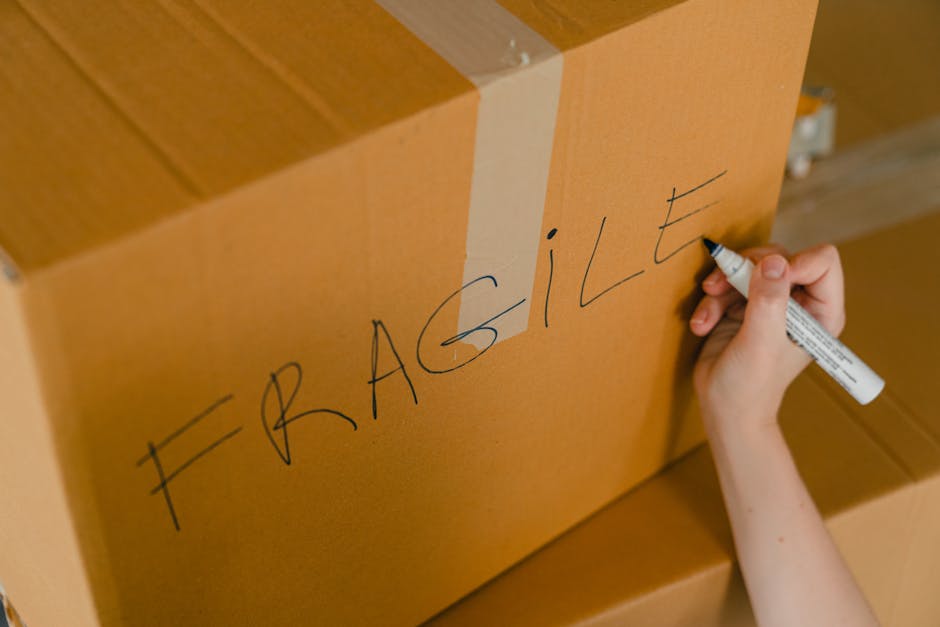
Packing services are valuable when time is short, when breakables need extra care, or when a customer prefers a more structured move. Good packing is about using suitable materials, grouping similar items together and making boxes manageable to carry. It also helps with unpacking, because labelled and well-packed items are easier to place in the right rooms and less likely to be mixed with unrelated belongings during delivery.
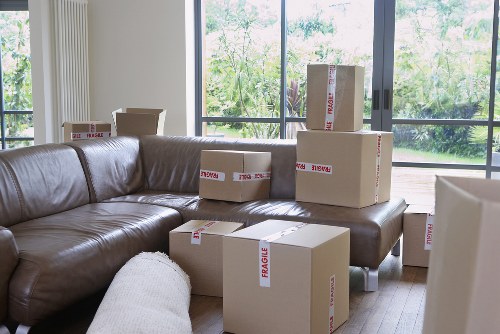
Loading is another important stage. Heavy items, awkward furniture and mixed household contents need to be arranged so the vehicle space is used efficiently without placing unnecessary pressure on fragile pieces. Careful stacking and sensible sequencing matter here. Where needed, a removals team can also help with basic dismantling and reassembly, which is often useful for beds, shelving and larger furniture that will not move safely as a whole.
For customers who want a fuller moving package, the packing and unpacking services page sets out that support in more detail, while the moving van page gives a clearer idea of transport arrangements. If the move is especially furniture-heavy, the furniture pick-up page can be a sensible place to look at collection-based work before you request a quotation.
Office removals and commercial relocation
Office removals need a different rhythm from home moving, because they often involve workstations, filing, equipment, furniture and items that should be relocated with minimal disruption. The main priorities are usually order, access and keeping different categories of equipment together. A business move may also need careful sequencing so desks, chairs and storage pieces are taken in a way that suits the destination layout and the working schedule.
Commercial relocation is not just about moving items out of one room and into another. It can also include planning around access, floor levels and the practical position of items once they arrive. In some cases, it may be preferable to move one department or area at a time rather than treating the whole workplace as a single load. That approach helps keep the process tidy and makes it easier to place equipment sensibly at the new address.
For a more specific look at business moving, see commercial moves and office relocation services. If you are comparing page options for business premises, the office removals page is also relevant. Those pages can help you decide which scope best matches your move before you ask for pricing.
Vehicle options and transport choices

Some customers already know they need a van-based move, while others are deciding between a small transport job and a larger removals arrangement. The right choice depends on the quantity of items, whether furniture must be loaded as well as carried, and how much space is needed for boxes, appliances and dismantled pieces. Choosing the right vehicle can make a move more efficient and reduce the chance of multiple trips.
Where the task is straightforward, a man and van style service can be useful for single-room moves, furniture delivery or lighter household transport. For more substantial loads, a removals van or moving truck may be more appropriate. The aim is to match the transport method to the work rather than forcing every job into the same format. That gives the customer a more sensible balance between capacity, handling and cost.
If you are comparing transport pages, the man and van and man with van pages both describe commonly requested moving options. For larger or more defined transport capacity, the removal truck hire and moving truck pages are also worth reviewing before you make an enquiry.
Short-distance collections and flexible moving help
Not every job is a full property-to-property removal. Some customers simply need a piece of furniture collected, a few items moved between addresses, or a light load transported at a time that fits around other commitments. In those cases, flexible removals support can be more efficient than booking a larger move than necessary. It is often better to describe the items clearly and choose a service that matches the scale of the job.
A flexible approach can also help when access is limited or when a collection needs to happen before a larger move. If your items are already packed and ready, the work may be more direct; if not, it may be worth asking whether a packing or loading element should be included. The main advantage is that the job can be scoped around what actually needs to happen, rather than around a one-size-fits-all description.
Useful pages for these smaller or mixed jobs include man and van removals, man with a van and man with van removal. If the move is mostly about taking away a few items or arranging a direct collection, the removals van and removal van pages give further context.
How to request a quotation
When asking for a price, keep the information simple and specific. The most useful details are the collection and delivery areas, the type of property, the main furniture or boxes involved, and whether there are stairs, tight corridors or parking constraints. If you have especially large or fragile items, mention them early. A clear list of what needs moving usually leads to a more practical quotation than a vague description of the job.
If you are still gathering details, it can help to think through access, dismantling and the level of packing support you want. You do not need a perfect inventory before enquiring, but a sensible outline will make it easier to compare options. The pricing may depend on the amount of labour required, the vehicle size, and whether the move includes packing, unpacking or furniture collection alongside transport.
For a direct price conversation, visit pricing and quotes. You can also use the contact us page when you are ready to request a quotation or ask a brief question about the most suitable moving option.
Safety, care and service standards

Moving work should be handled with care because household and office items can be damaged if they are carried, stacked or loaded without attention. Good practice includes checking routes, protecting furniture corners where needed and moving heavier items with a steady method rather than rushing. For the customer, this means the work should feel organised and controlled, with a clear focus on reducing avoidable strain on belongings.
Safety also matters for the people doing the move. Lifting technique, clear walkways and sensible handling all contribute to a smoother job. Where there are awkward items or access challenges, the process may need to be broken into stages rather than treated as a single lift. That is one reason why some moves are easier to complete when the items are grouped in advance and the destination space is ready to receive them.
Related information can be found on the insurance and safety page, alongside the health and safety policy. If you want to understand how charges are put together before booking, the payment and security page is also available for further reading.
About London
London is a large, layered city shaped by the River Thames, centuries of growth and a transport network that links districts with very different characters. Its historic core includes the City of London, Westminster and the old medieval street pattern around places such as Holborn, Fleet Street and the Strand, while later expansion created Georgian squares, Victorian terraces and vast twentieth-century suburbs. The city’s built fabric ranges from royal parks and formal civic spaces to docks, rail arches and compact residential streets, so its architecture reflects many eras at once. Landmarks such as the Houses of Parliament, St Paul’s Cathedral, the Tower of London, the South Bank and the museums around South Kensington sit alongside markets, churches, theatres and local high streets that still define everyday life. The Thames remains a central geographical feature, crossed by bridges and lined with embankments, wharves and walkways that connect different parts of the capital. London’s neighbourhoods also carry distinct identities: Soho, Camden, Notting Hill, Greenwich, Hackney, Wimbledon and Richmond each contribute their own history, street pattern and cultural tone. Parks such as Hyde Park, Regent’s Park, Hampstead Heath and Greenwich Park provide major green space within the urban fabric, while the city’s canals, commons and riverside paths add further variety. Public life is equally diverse, with galleries, theatres, football grounds, music venues, universities and local festivals contributing to a busy cultural calendar throughout the year.
Household and business moves planned with care
Different jobs need different combinations of packing, lifting and transport, so it helps to choose the pages that match your exact moving task. A home move may focus on furniture, boxes and appliances, while a workplace relocation may give more attention to layout, equipment and the order in which rooms are cleared. Either way, the best result usually comes from keeping the scope realistic and arranging the move around the property rather than the other way round.
Where belongings are mixed, fragile or bulky, the right decision is often to combine more than one service element. For example, a transport-only arrangement may be enough for a small collection, but a larger household move could benefit from packing support and a more substantial vehicle. Clarity at the outset is helpful because it lets you compare like with like and avoids unnecessary confusion about what is included in the job.
To compare related service pages before booking, you can review removals near me, removal company and removal companies. If you want to check the wider service offer, the removals page brings the main options together in one place.
Choosing the right removals support

Choosing removals support is easier when the task is described in practical terms. Think about what has to move, how much help is needed with lifting, and whether the job is a direct transfer or part of a larger plan. Some customers only need transport for a handful of items, while others need a full property move with packing and unpacking included. The service should follow the job, not the other way round.
It is also sensible to consider timing and access. A top-floor flat, narrow staircase or busy loading area can change the way the move is approached, even when the amount of furniture is modest. If you know the approximate volume, the presence of awkward items and whether you need help at both ends, you will be in a much better position to compare quotation options and choose the most practical arrangement.
When you are ready to move forward, the main action is simple: request a quotation and describe the job clearly. If you want to read more about the company background, the about us page is available, but the quickest next step is to make an enquiry through contact us.