Top Insurance Mistakes That Leave Your Goods Uncovered
If you are moving house, clearing a flat, or sending stock across London, insurance can feel like a box-ticking exercise. Truth be told, that is exactly where people get caught out. The biggest top insurance mistakes that leave your goods uncovered are rarely dramatic. They are usually small oversights: the wrong policy type, incomplete declarations, poor packing, or assuming someone else's cover will step in. Then something gets damaged, and the paperwork says a very different story.
This guide breaks down the mistakes that matter, why they happen, and what to do instead. You will get a clear view of how cover works in practice, the questions worth asking before a move, and the checks that help protect goods in transit, storage, or delivery. It is written for real life, not a textbook. Because let's face it, nobody wants to discover a gap in cover while standing in a hallway full of boxes.
Table of Contents
- Why these mistakes matter
- How goods insurance cover works
- Key benefits of getting it right
- Who needs this and when it makes sense
- Step-by-step guidance
- Expert tips for better results
- Common mistakes to avoid
- Tools, resources and recommendations
- Law, compliance, standards and best practice
- Options and comparison table
- Real-world example
- Practical checklist
- Conclusion
- Frequently asked questions
Why Top Insurance Mistakes That Leave Your Goods Uncovered Matters
Insurance only helps if the cover matches the risk in front of you. That sounds obvious, but in practice it is where people slip. A sofa can be scratched during loading, a laptop can vanish during a handover, or a box marked "kitchen" can end up containing something far more fragile than expected. If the policy wording does not align with the journey, the claim can be reduced or refused.
The issue matters even more when goods are valuable, sentimental, time-sensitive, or awkward to replace. A broken TV is annoying. A damaged nursery wardrobe that arrives the day before you move into a new place is something else entirely. For businesses, the stakes can be higher still: stock delays, customer complaints, and avoidable replacement costs. In our experience, the pain often comes not from huge losses, but from several small ones that stack up. That's the killer.
Expert summary: Good insurance is not just about having a policy. It is about matching the cover to the move, the packing standard, the value of the items, and who is handling them at each stage.
For households and businesses alike, getting this right can make the difference between a straightforward move and a drawn-out claims headache. If you are comparing moving support as part of a relocation plan, it also helps to understand the broader service side of things, such as removal services and how they fit around your own responsibilities.
How Top Insurance Mistakes That Leave Your Goods Uncovered Works
Most insurance for goods in transit works on a simple principle: the insurer agrees to cover defined risks under defined conditions. The detail lives in the policy wording, and that detail is where people trip up. There may be exclusions for poor packing, unattended vehicles, delayed reporting, pre-existing damage, or items of unusually high value. Some policies cover accidental damage. Some cover loss. Some do both, but only under specific handling rules.
When a claim is made, the insurer usually asks three broad questions. What happened? What was covered? Was the policyholder following the policy conditions? If your answer to the third question is shaky, the claim gets harder. That is why these mistakes matter so much. Insurance does not usually fail because of one giant blunder. It fails because the claim does not quite fit the wording. Small gap, big problem.
People also assume that a mover, courier, or landlord is automatically liable for everything. Not always. Liability and insurance are related, but they are not the same thing. A company may have a defined liability limit that is lower than the replacement cost of your goods. Or it may only be responsible where negligence can be shown. That is a very different thing from full-value protection.
If you are planning a home move, using a trusted removal company can help, but it does not remove the need to check what is and is not covered. Same story with house removals and man and van jobs. The service type changes the risk profile, and the insurance expectations should change with it.
Key Benefits and Practical Advantages
Getting insurance right is not just a defensive move. It actually makes the whole process smoother. There is less second-guessing, fewer awkward surprises, and a better chance of a clean claim if something does go wrong. That is worth a lot, especially when the moving day already has enough moving parts. Literally and otherwise.
- Better financial protection: You are less likely to absorb the full cost of damage, loss, or replacement yourself.
- Faster decision-making: Clear cover terms make it easier to book services, pack items, and assign responsibilities.
- Less dispute risk: Good documentation and correct declarations reduce arguments about what was covered.
- More confidence during transit: You can focus on the move instead of wondering whether one cracked box has ruined the day.
- Improved business continuity: For commercial moves, proper cover helps limit disruption when goods are delayed or damaged.
There is also a quieter benefit: peace of mind. Not the fluffy kind. The practical kind where you know exactly what to do if a lamp is broken, a cupboard gets scuffed, or a delivery arrives short. That calm matters. You will notice it most at 7:30 in the morning, standing by a van with a clipboard and a mug of tea that has already gone cold.
Who This Is For and When It Makes Sense
This topic matters to more people than you might think. Homeowners, tenants, landlords, small retailers, offices, students, and anyone using a man-with-a-van service all benefit from understanding the gaps. If your goods are being lifted, loaded, transported, stored, or handed over between locations, insurance is part of the conversation.
It makes particular sense if you are:
- moving in London, where access, parking, and loading can add complexity;
- transporting fragile, bulky, or high-value items;
- using a short-notice service and have not had time to read the terms properly;
- moving stock, office equipment, or archive files for a business;
- combining packing, storage, and transport in one job;
- arranging a move during bad weather or over multiple stops.
For a home move, practical support like home moves or packing and unpacking services can be useful, but the insurance conversation should still happen early. If you are managing office goods, the same logic applies to office removals and commercial moves.
Step-by-Step Guidance
1) Identify exactly what needs covering
Start by listing the goods. Not in vague categories like "furniture" or "office stuff", but item by item where possible. Include fragile pieces, electronics, artwork, documents, and anything difficult to replace quickly. If the item matters to the move, it probably matters to the policy.
2) Check whether cover is for transit, storage, or both
This is one of the most common blind spots. A policy may cover the journey but not temporary storage. Or it may cover storage only within a defined warehouse setup. If your items will sit in a van overnight, or in a unit for a few days, ask what happens then.
3) Read the exclusions carefully
Exclusions are the bits people skim. That is exactly where the trouble starts. Look for wording around unattended vehicles, self-packed boxes, unsuitable packaging, pre-existing damage, and high-risk items. If a condition sounds a bit fussy, it probably exists for a reason.
4) Declare value honestly
Undervaluing goods might seem harmless, but it can create problems later. Overvaluation can also cause friction. Use realistic replacement values, not purchase nostalgia. The old kitchen table may have sentimental charm, but the insurer usually wants a fair market or replacement figure.
5) Match the pack standard to the policy
Some cover depends on professional packing or minimum protection standards. If you are packing yourself, make sure boxes, wrapping, and labelling meet the policy expectations. A box that looks fine in the hallway may not survive a van corner or a wet pavement at 5pm.
6) Photograph and document everything
Take photos before the move, during packing, and at handover if needed. Keep receipts, serial numbers, and a quick list of higher-value items. It may feel slightly over the top in the moment, but claims are often easier when your evidence is tidy. Nobody enjoys this bit, but future-you will be grateful.
7) Confirm who is responsible at each stage
There can be a difference between goods being in your care, in the mover's care, or in storage. Ask where responsibility changes hands. That simple question saves confusion later, especially if several people are involved on moving day.
8) Get written confirmation
If someone says "yes, that's covered", ask for it in writing. Email is fine. A short written note is enough in many cases. Verbal reassurance is nice, but it tends to evaporate once a claim is needed.
Expert Tips for Better Results
There are a few habits that consistently reduce insurance problems. They are not glamorous, but they work.
- Don't leave insurance until the night before: policies often need time to be checked, amended, or confirmed.
- Separate fragile and high-value items: mixing everything into generic boxes can make claims harder to prove.
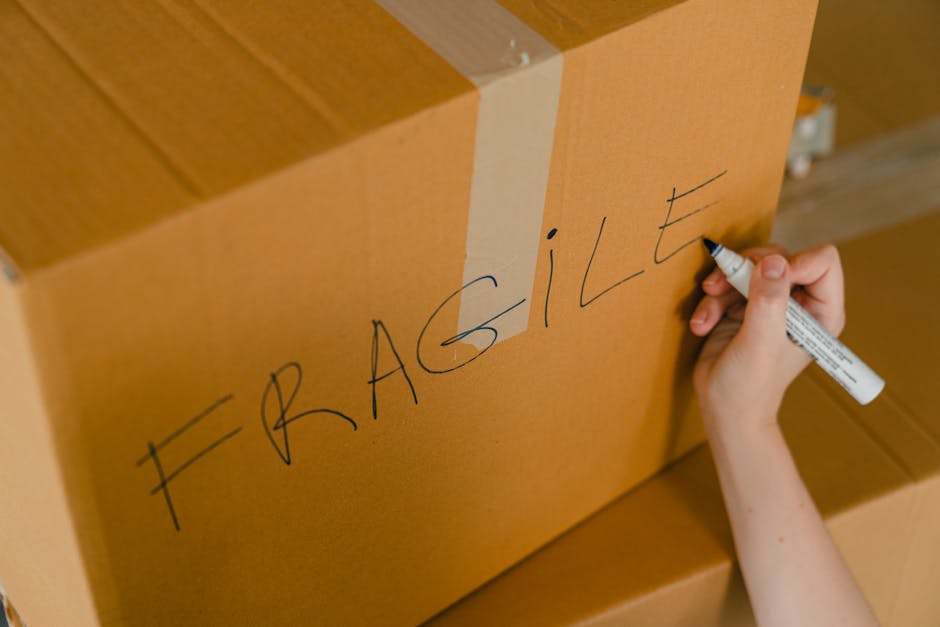
- Use clear labels: "glass" or "fragile" helps, but "kitchen - glassware - 12 items" is better.
- Ask about limited liability: it may be enough for some items, but not for antiques, tech, or bespoke furniture.
- Keep one person in charge of the inventory: too many lists from too many people is a recipe for confusion.
- Check access conditions: stairs, parking distance, lifts, and narrow entrances can affect handling risk.
One practical tip that people often overlook: if you are moving in or around central London, do not assume the route is simple just because the postcode is. A short trip through busy streets, tight loading bays, or awkward timing can change the handling risk a lot. A van sitting outside in traffic is not the same as a smooth, private loading point.
Also, be fair to yourself. You do not need to become an insurance specialist overnight. You just need to ask the right questions before the first box is sealed.
Common Mistakes to Avoid
This is the section that saves people money. The mistakes below show up again and again, and many are avoidable with ten extra minutes of checking.
- Assuming all goods are automatically covered: they are not. Cover always depends on wording, conditions, and limits.
- Choosing the cheapest option without checking exclusions: a low price can be fine, but not if it comes with narrow cover.
- Failing to declare high-value items: jewellery, specialist electronics, artwork, and antiques often need special treatment.
- Poor packing: damaged boxes, loose wrapping, and weak tape can weaken a claim.
- Not understanding unattended vehicle rules: leaving goods in a van overnight may breach cover conditions.
- Missing the notification deadline: some policies require quick reporting of damage or loss.
- Relying on verbal promises: if it is not written down, it may be difficult to prove later.
- Confusing liability with insurance: they overlap, but they are not interchangeable.
There is also a subtler mistake: not updating the policy if the job changes. Maybe the move becomes two days instead of one, or storage gets added at short notice, or a second address is involved. Tiny change, potentially big gap. This is where people get caught, especially during busy weeks.
Tools, Resources and Recommendations
You do not need special software to avoid most insurance mistakes, but a few simple tools help enormously.
- Inventory spreadsheet or checklist: useful for listing items, values, and condition notes.
- Phone camera: a fast way to record condition before loading and after delivery.
- Box labels and marker pens: basic, but effective for tracking fragile or high-value contents.
- Receipts and proof of value: helpful for electronics, appliances, and recently purchased furniture.
- Written service confirmations: keep messages about cover, timing, access, and packing conditions together.
If you are comparing service options, it can also help to look at the moving setup more broadly. For example, a dedicated moving truck or removal truck hire may suit some moves better than a smaller vehicle, especially if the load is bulky or needs fewer trips. The vehicle choice can affect handling, timing, and exposure to risk.
For people who want a more hands-on moving arrangement, the differences between man with van, man with a van, and man and van removals are worth checking as well. The service name is less important than the terms behind it, if I'm honest.
Law, Compliance, Standards and Best Practice
Insurance, moving, and goods handling can involve legal and contractual obligations, but the exact position depends on the provider, the service arrangement, and the type of goods involved. It is sensible to treat policy wording, contract terms, and any pre-move declarations as important documents rather than admin noise.
Good practice usually includes honest disclosure, proper packing, accurate inventories, and clear handover records. If you are a business customer, it is also wise to align the move with your internal risk procedures and any relevant insurance requirements for stock, equipment, or customer property. In London and across the UK, a lot of disputes come down to missing evidence, unclear responsibility, or conditions that were never properly checked.
For moving firms and their customers, standards around safe handling, clear communication, and documented procedures are not just nice-to-have. They help reduce misunderstandings and can support better outcomes if something goes wrong. If safety and claims handling matter to you, the company's insurance and safety information is worth reading before you book.
Best practice also means checking related policies where relevant, such as health and safety policy, payment and security, and the provider's own complaints procedure if you need a route to raise concerns. Small detail, yes, but it matters when tensions rise during a move.
Options, Methods, or Comparison Table
Not every move needs the same level of cover. Here is a simple comparison to help you think through the main options.
| Option | Best for | Strengths | Watch outs |
|---|---|---|---|
| Basic transit cover | Lower-value or straightforward moves | Simple, often cheaper | May exclude fragile items, storage, or unattended vehicles |
| Declared-value cover | Mixed household goods or office loads | Better alignment to actual item value | Needs accurate item lists and honest valuations |
| Full replacement-style cover | High-value or hard-to-replace goods | Stronger protection if conditions are met | Usually has stricter packing and documentation rules |
| Provider liability only | Very limited-risk jobs | May be included in the service | Often not enough for full replacement costs |
There is no one-size-fits-all answer. A student room move near a local removals near me search result may need something quite different from an office relocation with multiple IT items. The right choice depends on value, distance, handling complexity, and how much risk you are comfortable carrying yourself.
Case Study or Real-World Example
Imagine a small design studio moving from a shared office into a new space in west London. The team packs monitors, sample materials, framed prints, laptops, and a few fragile desk items. Everything looks fine on the day. The van is loaded quickly, one box is labelled "misc", and the move is done by late afternoon.
Two days later, they discover a monitor stand has cracked and two framed prints are damaged. The claim gets awkward because the inventory was vague, one item was not declared as high-value, and the packaging for the prints was too light for the policy conditions. Nobody was trying to be careless. They were simply busy. That happens all the time.
If they had prepared a proper list, taken condition photos, used stronger packaging, and confirmed cover in writing, the outcome would likely have been much cleaner. Not guaranteed, of course, but cleaner. The difference is usually in the preparation, not in the drama after the fact.
Home moves follow the same pattern. One family moving from a flat in Battersea to a house in Wimbledon may be completely focused on keys, parking, and the kettle. Fair enough. But if the mirror, TV, and dining chairs are all valuable, the cover still needs attention. A good move is not just about getting things from A to B; it is about getting them there in one piece.
Practical Checklist
Use this checklist before the move. It is simple, but it catches a lot of avoidable problems.
- Have you confirmed what the policy covers: transit, storage, loading, unloading, or all of them?
- Have you listed high-value and fragile items separately?
- Are item values realistic and backed by receipts or photos where possible?
- Have you checked exclusions for packing quality, unattended vehicles, and time limits for claims?
- Have you confirmed who is responsible at each stage of the move?
- Have you documented the condition of important items before collection?
- Have you asked for written confirmation of any promises or special arrangements?
- Do the service type and vehicle size suit the kind of goods you are moving?
- Have you checked whether storage changes the cover requirements?
- Do you know who to contact immediately if damage or loss is discovered?
If you can tick most of those off, you are already ahead of many people. Not all, maybe. But enough to lower the risk in a meaningful way.
Conclusion
The main lesson is straightforward: the top insurance mistakes that leave your goods uncovered usually come from assumptions, not bad luck. People assume the mover is fully responsible. They assume all items are covered. They assume the cheapest policy is fine. Then the paperwork, as paperwork does, says otherwise.
Protecting your goods is mostly about clarity. Know what is being moved, how it is being packed, where it is going, who is handling it, and what the policy says at each stage. If you do that, you are far less likely to face an unpleasant surprise when you need support most.
And if the process still feels a bit much, that is normal. Moves are hectic, especially in busy parts of London. Take it one step at a time, keep the evidence tidy, and do not be shy about asking direct questions. That's not overthinking it. That's just sensible.
Get a free quote today and see how much you can save.
Sometimes the smallest bit of preparation saves the biggest headache. Honestly, it's worth the quiet effort.
Frequently Asked Questions
What are the most common insurance mistakes that leave goods uncovered?
The most common mistakes are assuming everything is covered automatically, failing to declare high-value items, ignoring exclusions, and not checking whether the policy covers storage, transit, loading, and unloading. Poor packing and missing documentation also cause problems.
Does a removals company always insure my belongings?
No, not always. Some companies include limited liability or certain types of cover, but that is not the same as full replacement protection. Always check the wording and ask what happens if damage occurs during handling or transport.
Is packing my own boxes a problem for insurance?
It can be, depending on the policy. Some cover excludes self-packed boxes or requires a certain packing standard. If you pack yourself, use strong boxes, suitable wrapping, and clear labels, and confirm whether that still meets the policy terms.
What should I do before moving day to protect my claim?
Make an inventory, photograph valuable items, keep receipts where possible, confirm the cover in writing, and check exclusions. If anything changes, such as extra storage or a second stop, update the insurer or provider before the move starts.
Are fragile items covered in the same way as regular furniture?
Not usually. Fragile items often have stricter packing rules and may be subject to tighter exclusions. Glass, electronics, artwork, and antiques should be treated separately rather than lumped in with standard household goods.
What is the difference between liability and insurance?
Liability is about who may be responsible for a loss under the contract or law. Insurance is the financial protection behind that risk. A company can be liable for only part of a loss, while your own policy may provide broader protection if it is set up correctly.
How quickly do I need to report damage or loss?
That depends on the policy. Many cover arrangements require prompt reporting, sometimes very quickly. If you notice damage, document it straight away and contact the relevant party without delay. Leaving it too long can make the claim harder.
Does storage affect whether my goods are covered?
Yes, it can. Transit cover and storage cover are not always the same. If your goods will be kept in a storage unit, warehouse, or van overnight, ask whether the policy still applies and under what conditions.
Can I insure high-value items separately?
Often, yes. High-value items may need to be declared individually or covered under a separate arrangement. That is common for items like specialist electronics, artwork, or bespoke furniture. Do not assume they fall under standard cover without checking.
What if I'm moving at short notice?
Short-notice moves can still be covered, but they are more likely to be rushed, and that is where mistakes happen. Focus on the basics first: confirm cover, note item values, take photos, and get key terms in writing. Simple beats perfect here.
Is the cheapest insurance always a bad idea?
Not necessarily. Cheap cover can be fine if the exclusions, limits, and conditions suit your move. The problem is choosing on price alone without checking whether it actually protects the goods you care about.
Where can I check the company's safety and claims approach?
Look for the provider's policy pages and support information, including their insurance and safety details, health and safety information, and complaints procedure. Those pages help you understand how issues are handled if something goes wrong.